

Student life is exciting—but it can also be emotionally challenging. From adjusting to a new city to juggling academics, social life, and parental expectations, students often face stress that can go unnoticed until it impacts their well-being. In a student housing context, recognizing early signs of mental health struggles can make a real difference.
Behavioral Patterns to Watch For
Students don’t always say they are struggling—but their behavior often speaks volumes. Key patterns to look out for include:
- Changes in Mood: Excessive sadness, irritability, or sudden bursts of happiness that seem out of context can signal emotional distress.
- Social Withdrawal or Over-Talking: Some students stop talking to peers or isolate themselves; others may talk excessively, sometimes to mask anxiety or stress.
- Shifts in Eating Habits: Skipping meals, overeating, or sudden changes in diet may reflect emotional upheaval.
- Loss of Interest: Activities, hobbies, or social events that once excited them suddenly feel uninteresting or exhausting.
- Decline in Academic Engagement: A drop in attendance, skipping classes, or declining performance in studies can be a red flag.
- Physical Signs:
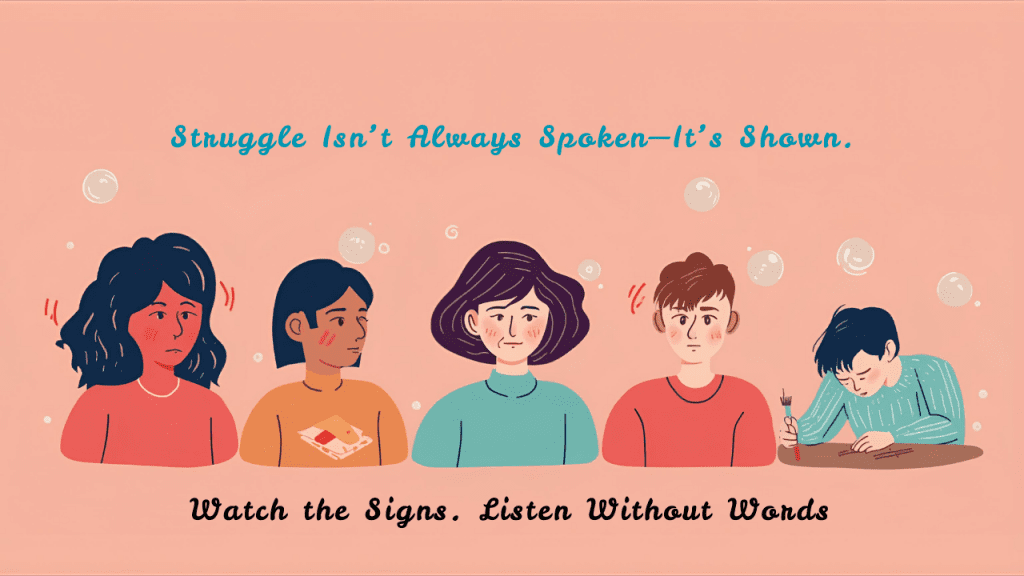 Looking distracted, fatigued, dull, or sad for extended periods is often linked to mental stress.
Why These Signs Matter
Mental health challenges, if unaddressed, can escalate, affecting both academic performance and personal growth. Early identification allows peers, roommates, and housing staff to provide support before the situation worsens.
How HooLiv Supports Students
At HooLiv, student housing goes beyond beds and study spaces. Recognizing the pressures students face, HooLiv has tied up with mental health experts to provide counseling, workshops, and peer support programs. Housing staff are trained to observe behavioral cues and guide students toward professional help when needed.
Simple Steps to Help
- Observe and Listen: Notice changes in behavior, mood, or routines without judgment.
- Encourage Conversation: Gently ask how the student is feeling; sometimes talking is the first step to relief.
- Connect to Experts: HooLiv provides easy access to counselors and mental health professionals.
- Foster a Supportive Environment: Encourage peer support, shared activities, and open discussions about stress and emotional well-being.
Conclusion
In student housing, mental health is just as important as academic success. By observing behavioral patterns, mood changes, eating habits, and engagement levels, we can identify students who may need support early. HooLiv prioritizes emotional well-being, ensuring students not only thrive academically but also live happier, healthier lives.